Alpaca Batting
Alpaca batting is a natural fiber made from the fleece of alpacas. Alpacas originally came from the Andes Mountains of South America and have been domesticated by the native people for thousands of years.
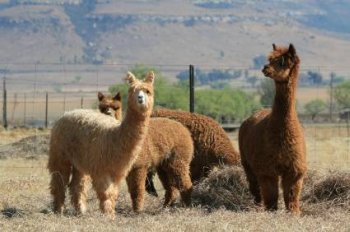
They are similar to llamas in appearance, and are members of the camel family. Alpacas are bred specifically for their fiber and the most common use for alpaca wool is knitting and weaving. Like sheep, alpacas are sheared without harming the animal but they require three people to complete this task annually.
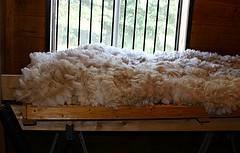
Photo courtesy of Liz West
When made into batting alpaca wool has many advantages for the quilter:
* Very light and soft
* Fibers are smooth
* Warm
* Like wool, alpaca stays warm when wet
* Contains no lanolin
* Is hypoallergenic
* No 'wet wool smell' when wet
* Tends to be lofty
* Very durable fiber
* About 2% shrinkage after first washing
* Fibers are needle-punched and contain no binders or resins
* Very easy to work with on longarm machines
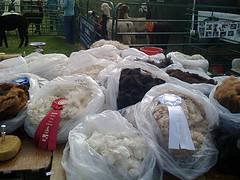
Photo courtesy of zsoul
Alpaca Quilt Washing Instructions
Hand wash in cool water with a mild detergent as the agitation of a washing machine causes the fibers to mat.
Do not dry in the dryer as this will ruin your quilt. The best method is to lay them flat.
Tips
1. Needs protection from moths when stored. Some people like to store their quilts with lavender or cedar.
2. This batting can also be purchased in blends, the most common being, cotton, wool and polyester.
3. The batting whether pure or a blend is expensive compared to other batting on the market. Quilters choose to use it for a special quilt that wont require frequent washing.
4. Quilters have noticed that the batting tends to give less definition or relief when quilted compared to other batting.
5. Recommended quilting distance: up to 8”.
My Amazon ads are my affiliate links. Thank you.
Sign up for my newsletter below!
Like the page? Let me know! (click the button).
Love Quilts?
Come be social with me - click here!

Sign up for my newsletter below!
How there's so much free information on this site.
Sometimes I recommend a product(s) that I have used & loved when making my quilts etc. If you buy something through one of these links, I receive a small commission which allows me to design & make more quilts! There is no extra charge to you, and it helps keep my information/patterns free of charge. To learn more please see my affiliate disclosure document.
Recent Articles


-
Perth Quilt Tour 2019
Nov 08, 18 04:17 PM
May 19 to May 28 2019 – Time for a getaway Join the fully escorted tour and take in the sights and tastes of the Margaret River Valley, visit the Perth Craft & Quilt Show and plenty of other exciting…
-
Pattern available for the Conical Felt Tree!
Oct 13, 18 11:21 PM
The Conical Felt Tree pattern is now available. This is a fabulous Christmas tree to make for young children. They will decorate this tree over and over again! Suppliers of the thick felt & Velcro fab…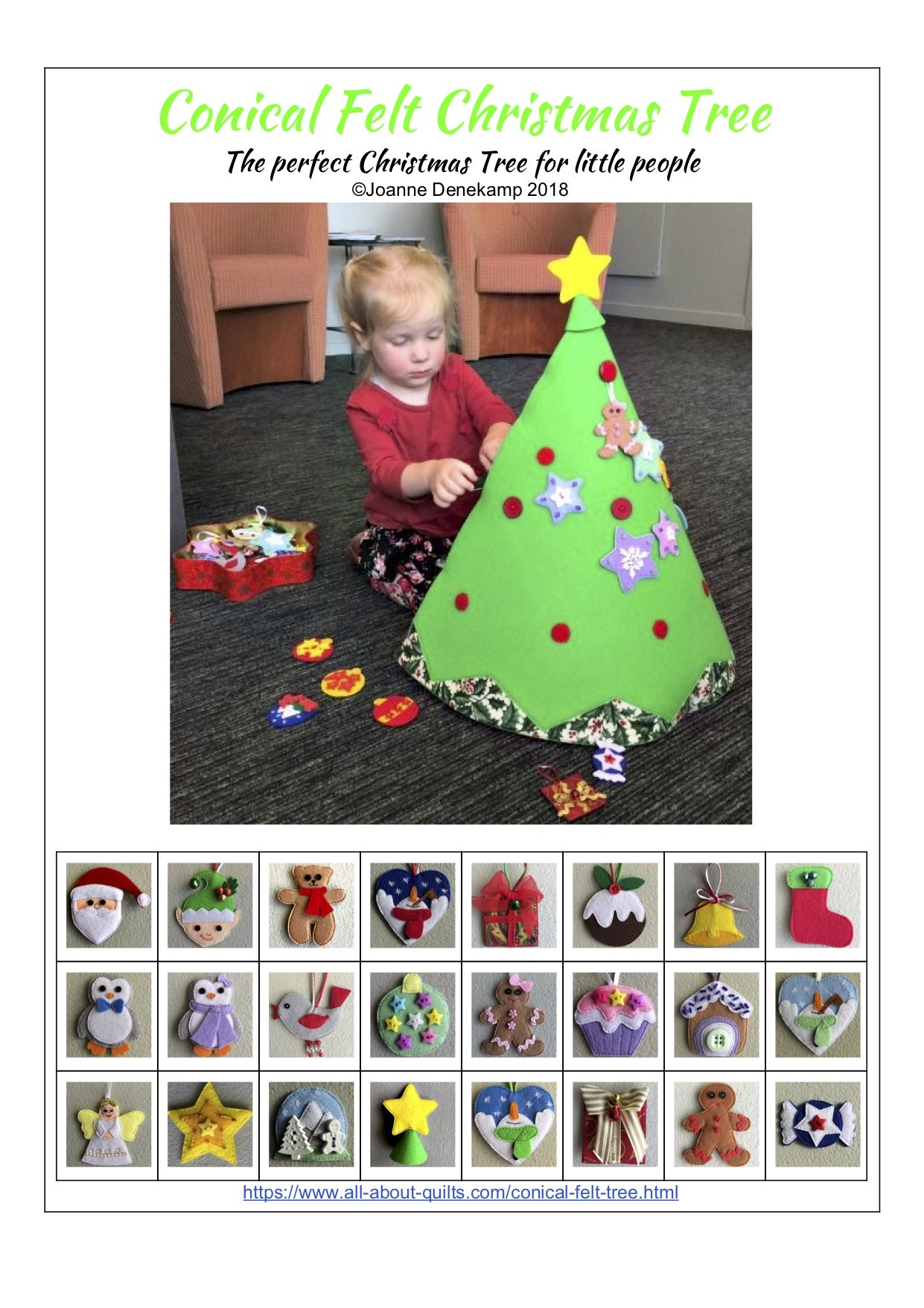
-
Conical Felt Christmas Tree
Oct 11, 18 09:00 PM
Cassie is having fun decorating her Christmas tree! The pattern will be available at the end of October 2018.
New! Comments
Have your say about what you just read! Leave me a comment in the box below.